
Lessons for African Youth: Drug Avoidance and Violence Prevention

Africa, like the rest of the world, faces challenges related to drug abuse and its associated harms. Young Africans must recognize the perils of drug addiction
Lessons for African Youth: Leadership and Responsibility

Leadership is not about titles or positions; it is about influence, impact, and responsibility. Africa is in need of visionary leaders
Lessons for African Youth: Resilience and Adaptability
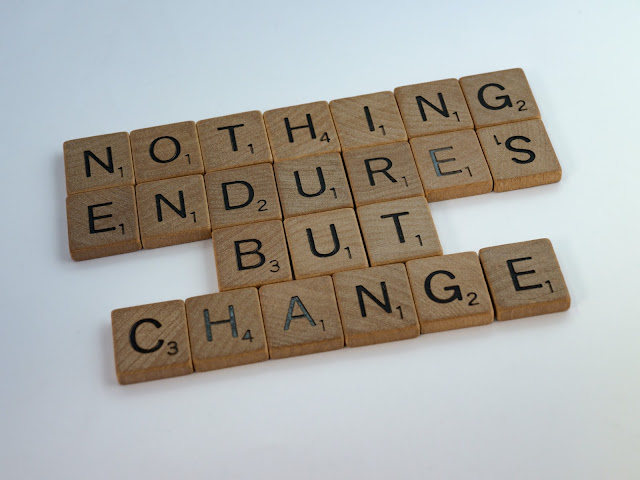
Africa’s youth face a multitude of challenges, from economic instability and political unrest to climate-related disasters and health crises.
Lessons for African Youth: Financial Literacy

Financial literacy is a skill that empowers individuals to make informed decisions about their money, and it is the eighth lesson for young African youth.
Lessons for African Youth: Gender Equality

Gender equality is a fundamental human right, and the seventh lesson for young African youth is a call to champion this cause.
Lessons for African Youth: Environmental Stewardship

Africa’s breathtaking natural beauty, from its majestic mountains to its lush rainforests and pristine coastlines, is a source of wonder and pride
Lessons for African Youth: Entrepreneurship and Innovation

The ability to innovate and create is a priceless asset. The fifth lesson for young African youth is a call to embrace entrepreneurship and innovation
Lessons for African Youth: Critical Thinking Matters

Critical thinking is a mental toolkit that every young African should sharpen.It is the ability to analyze, evaluate, and synthesize information
Lessons for African Youth: Education is Empowerment

Education is often described as the key to unlocking your potential, and for young Africans, this lesson is a fundamental truth.
Lessons for African Youth: Preserve Indigenous Knowledge

Lesson 2: Preserve Indigenous Knowledge A major lesson for young African youth is a call to preserve and cherish indigenous knowledge. Embedded within the customs, rituals, and wisdom of Africa’s diverse communities is a wealth of insights and understanding that have sustained societies for centuries. Indigenous knowledge encompasses a wide spectrum of expertise, from traditional medicine and agricultural practices to storytelling and craftsmanship. It is the accumulated wisdom of generations who have learned to thrive in Africa’s varied ecosystems, adapting to its challenges and harnessing its resources. Preserving indigenous knowledge is an act of cultural preservation, ensuring that the unique heritage of each African community endures. But it goes beyond that: it is also about recognizing the value of this knowledge in addressing contemporary issues. Where climate change, food security, and healthcare are pressing concerns, indigenous knowledge can provide innovative solutions. It offers alternative approaches to sustainable agriculture, holistic healthcare, and environmental stewardship that have been refined over centuries. For young Africans, this lesson carries a profound responsibility. It is an invitation to engage with your elders, to learn from them, and to document their knowledge for future generations. It is a recognition that while modern education is crucial, it should complement rather than replace the wisdom embedded in African traditions. Moreover, preserving indigenous knowledge is not just a matter of nostalgia: it is about empowering communities to take ownership of their development. It is about bridging the gap between tradition and progress, recognizing that both have a role to play in shaping Africa’s future. The lessons outlined here are not merely suggestions but a blueprint for the empowerment and transformation of young African youth. At Shades of Us, these lessons are not just principles: they are at the core of our mission. By embracing these lessons, young Africans become the protagonists of their narratives. Lesson 1: Embrace Cultural Diversity

